Make Way for a Parade of Possibilities

Tulane’s motto — non sibi, sed suis — embodies who we are and what we stand for. We are entrepreneurs on the front lines of life-changing technologies, as well as hometown heroes. Tulanians see challenges as opportunities, and strive to improve the lives of others in our own community and around the globe.
Academics
Make Way for Your Future at Tulane

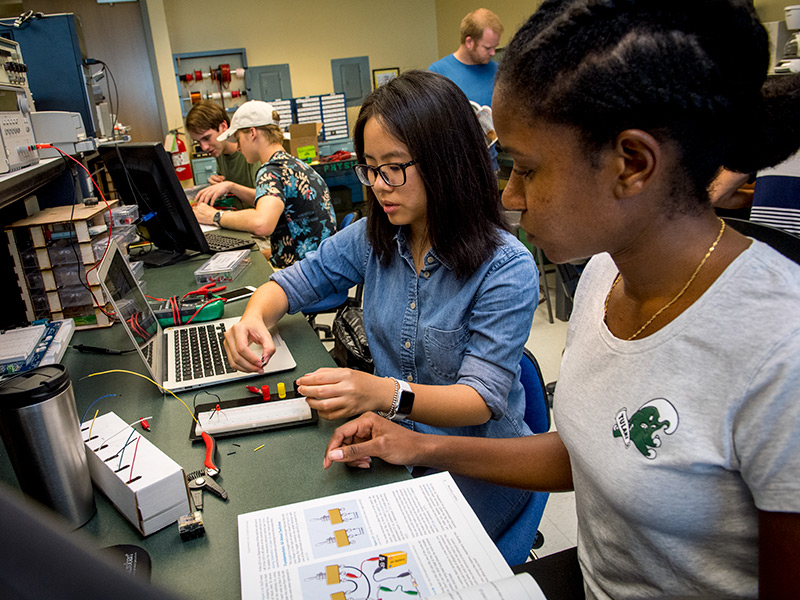
With over 75 majors and minors, Tulane provides a parade of possibilities for your undergraduate experience.
We have a well-rounded, interdisciplinary core curriculum that will expose you to the humanities, fine arts, social sciences and sciences. You’ll also participate in TIDES (Tulane Interdisciplinary Experience Seminar) during your first year, giving you an academic lens to view your new home, New Orleans.

Tulane University 2024 Commencement Speaker
One of America’s foremost public intellectuals will address graduates at Tulane’s 2024 commencement.
Jon Meacham, the acclaimed presidential historian and Pulitzer Prize-winning author, will share his insights, perspectives and behind-the-scenes knowledge of America’s history and its leaders at Commencement 2024.
Quick Links
This is where innovation, education, research and individual vision intersect. Take a look at your future academic experience at Tulane.
Tulane News
Study finds potential new treatment path for…
Tulane University researchers have identified a promising new approach to treating persistent neurological symptoms…